When Should You Get Your Wisdom Teeth Removed? Signs to Watch For
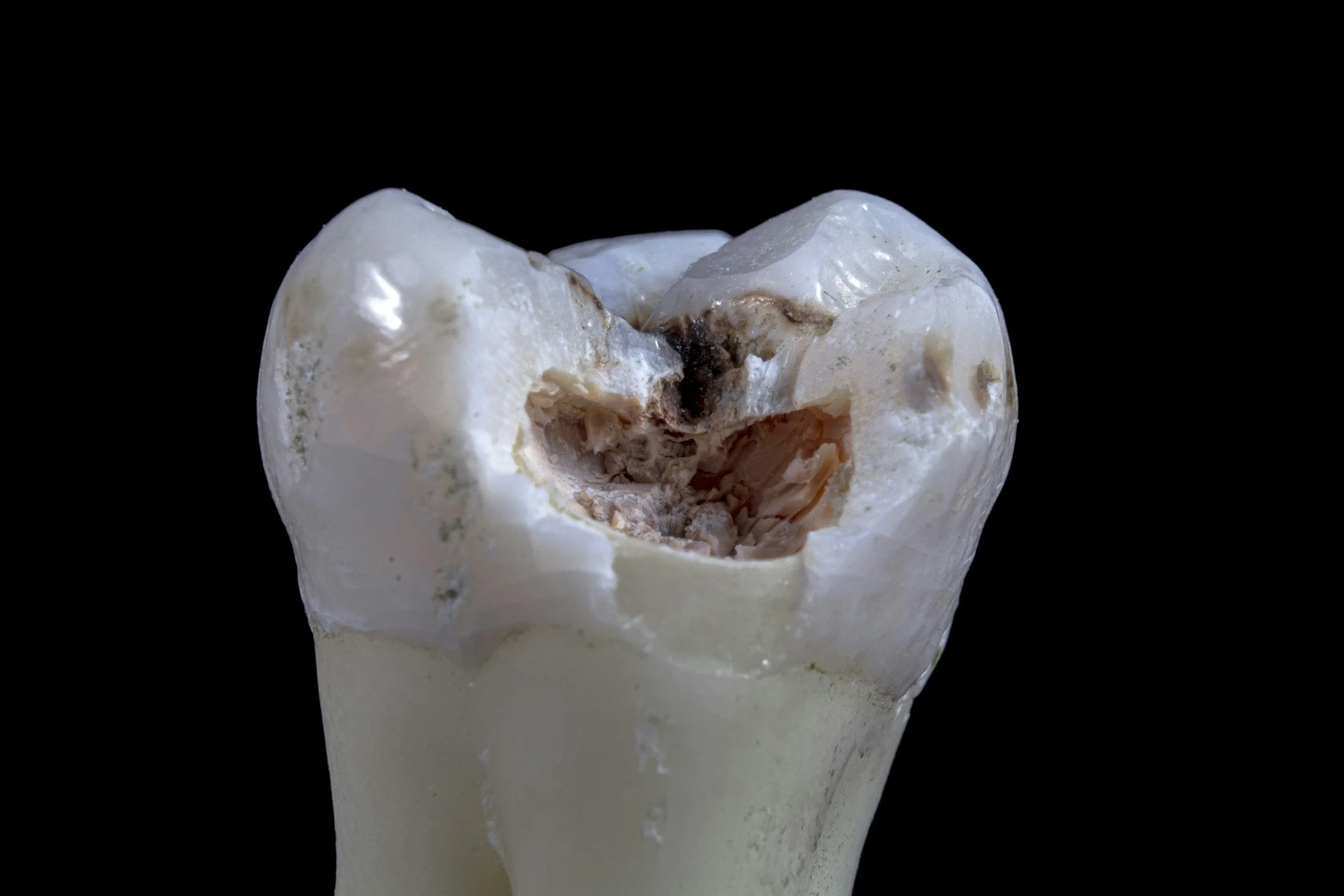
Wisdom teeth removal may be recommended when a third molar causes persistent pain, infection, swelling, tooth decay, gum disease, damage to a neighboring tooth, or difficulty keeping the back of the mouth clean. Wisdom teeth that are healthy, fully erupted, properly positioned, and easy to clean may not need immediate dental extraction, but they should still be monitored during regular dental examinations.
What Are the Main Signs You Need Your Wisdom Teeth Out?
The most common signs you may need your wisdom teeth out include recurring pain behind the last molar, swollen or bleeding gums, jaw stiffness, facial swelling, bad breath, an unpleasant taste, repeated infections, food becoming trapped around the tooth, and cavities that are difficult to treat.
A dentist must examine your mouth and review dental X-rays before deciding whether monitoring, routine dental care, dental extraction, or referral for oral surgery is the safest option. The American Dental Association identifies pain, infection, cysts, gum disease, decay, and damage to neighboring teeth as common reasons for considering removal. akeaways About Wisdom Teeth Removal
Not every wisdom tooth needs to be removed simply because it is present.
Pain, infection, swelling, tooth decay, and damage to nearby teeth are important warning signs.
Partially erupted wisdom teeth can trap food and bacteria beneath the surrounding gum tissue.
Dental X-rays help determine the tooth’s angle, position, root development, and relationship to nearby structures.
A fully erupted tooth may be treated with a routine dental extraction, while an impacted tooth may require oral surgery.
Severe swelling, fever, uncontrolled bleeding, or difficulty swallowing requires prompt professional attention.
Regular dental maintenance in Philadelphia can help identify wisdom teeth issues before they become emergencies.
Why Wisdom Teeth Removal Timing Matters
Wisdom teeth, also called third molars, are the final adult teeth to develop at the back of the mouth, and they commonly begin emerging between the late teenage years and the mid-twenties. Mayo Clinic reports that these teeth usually appear between approximately ages 17 and 26, although their development, position, and eruption pattern can vary considerably from one person to another. dom teeth erupt normally and function like other molars, while others remain trapped beneath the gum or jawbone because there is not enough room for them to develop in a healthy position. A trapped tooth is known as an impacted wisdom tooth, and it may grow toward the second molar, tilt toward the back of the mouth, remain upright beneath the bone, or lie almost horizontally within the jaw.
Because wisdom teeth are located in an area that can be difficult to brush and floss properly, even a partially erupted tooth may create a sheltered space where food debris, plaque, and bacteria accumulate. This can increase the likelihood of infection, tooth decay, gum inflammation, and damage to the second molar immediately in front of it. Should You Get Your Wisdom Teeth Removed?
The decision to remove a wisdom tooth should be based on symptoms, clinical findings, imaging results, oral hygiene access, and the risk of future complications rather than age alone. The following warning signs indicate that you should arrange a professional dental evaluation.
1. Persistent Wisdom Tooth Pain or Pressure
Pain behind the last molar is one of the most recognizable signs you may need your wisdom teeth out, particularly when the discomfort continues for several days, disappears and returns repeatedly, or becomes more intense while chewing.
The pain may result from a tooth pressing against surrounding tissue, gum inflammation over a partially erupted tooth, tooth decay, infection, or pressure on the neighboring second molar. Temporary tenderness can occur while a tooth is erupting, but persistent or recurring wisdom tooth pain should not be ignored or repeatedly managed with over-the-counter medication without a dental examination.
2. Swollen, Tender, or Bleeding Gums Around a Wisdom Tooth
Redness, swelling, tenderness, or bleeding behind the final molar can indicate inflammation or infection in the gum tissue surrounding a partially erupted wisdom tooth. This condition is commonly known as pericoronitis.
When part of the tooth remains covered by a flap of gum tissue, food and bacteria can become trapped beneath the flap, making the area difficult to clean and allowing inflammation to return even after the initial discomfort improves.
Patients experiencing recurring gum inflammation may need professional cleaning, infection management, periodontal care, or wisdom teeth removal, depending on the tooth’s position and long-term prognosis. Learn more about managing inflamed or bleeding gums through Champion Dentistry’s periodontal care services.
3. Repeated Infection, Bad Breath, or an Unpleasant Taste
Persistent bad breath or a foul taste near the back of the mouth may be associated with trapped food, bacterial buildup, drainage from an infection, or decay around a partially erupted wisdom tooth.
Bad breath alone does not confirm that dental extraction is necessary, but bad breath accompanied by gum swelling, pain, pus, fever, or difficulty opening the mouth requires timely dental care. Both Mayo Clinic and the American Dental Association identify unpleasant taste, infection, swelling, and jaw stiffness as possible symptoms of problematic wisdom teeth. aw Stiffness or Difficulty Opening Your Mouth
An inflamed or infected wisdom tooth can make the jaw feel stiff, sore, or difficult to open fully, particularly when swelling affects the surrounding muscles and gum tissue.
Jaw stiffness may interfere with eating, speaking, brushing, or swallowing, and it should be evaluated promptly when it develops alongside pain, facial swelling, fever, or an unpleasant taste. These symptoms may indicate that inflammation is becoming more extensive rather than remaining limited to the gum immediately around the tooth.
When Jaw Swelling May Require Urgent Dental Care
Contact a dentist promptly when jaw swelling is severe, rapidly increasing, associated with fever or illness, or accompanied by difficulty breathing or swallowing. Severe breathing difficulty or rapidly spreading facial or neck swelling requires emergency medical care rather than waiting for a routine dental appointment.
5. Food Continually Getting Trapped Behind the Last Molar
A partially erupted or poorly positioned wisdom tooth can create narrow spaces that repeatedly collect food, even when a person brushes and flosses carefully.
Over time, these inaccessible spaces can allow cavity-causing bacteria to damage the wisdom tooth or the neighboring second molar. The NHS lists trapped food, tooth decay, gum disease, cysts, pain, and infection among the problems that can develop when a wisdom tooth does not have enough room to erupt properly. who frequently notice food behind the final molar should schedule an examination rather than assuming improved brushing alone will resolve the underlying position of the tooth.
6. A Cavity in the Wisdom Tooth or Neighboring Molar
Wisdom teeth are particularly vulnerable to decay when their position prevents a toothbrush from reaching every surface or makes flossing between the wisdom tooth and second molar nearly impossible.
A small cavity in a fully erupted, functional, and accessible wisdom tooth may sometimes be restored, but dental extraction may be recommended when decay is extensive, repeatedly returns, cannot be treated predictably, or threatens the health of the neighboring tooth.
Protecting the second molar is an important part of treatment planning because it normally plays a much more valuable role in long-term chewing function than a poorly positioned wisdom tooth. Patients can also review Champion Dentistry’s guide on preventing cavities and gum disease.
7. Damage to the Tooth Next to the Wisdom Tooth
An impacted wisdom tooth may press against the second molar or create an area where plaque, infection, bone loss, or decay develops between the two teeth.
Because this damage may begin beneath the gumline without causing immediate symptoms, dental X-rays are important for evaluating the contact point, surrounding bone, and root surfaces. Mayo Clinic notes that an impacted wisdom tooth can damage the second molar or increase the risk of infection around it. a problematic wisdom tooth may be recommended to protect the neighboring molar before the damage becomes difficult or expensive to repair.
8. A Cyst or Other Abnormality Appears on a Dental X-Ray
Wisdom teeth develop inside sacs within the jawbone, and in some cases, fluid may accumulate around an impacted tooth and form a cyst.
Although cysts and tumors associated with wisdom teeth are less common than pain, infection, and decay, they can damage nearby teeth, bone, nerves, or other structures when left untreated. The American Association of Oral and Maxillofacial Surgeons includes cysts, tumors, and other pathology among the recognized reasons for removing a wisdom tooth. one reason regular examinations remain important even when an impacted wisdom tooth is not currently painful.
Wisdom Teeth Monitoring vs. Dental Extraction
| Clinical Situation | Monitoring May Be Appropriate | Dental Extraction or Oral Surgery May Be Considered |
|---|---|---|
| Pain | No pain or pressure | Persistent, severe, or recurring pain |
| Tooth position | Fully erupted and properly aligned | Impacted, angled, trapped, or partially erupted |
| Gum health | Healthy tissue without inflammation | Repeated swelling, bleeding, or pericoronitis |
| Tooth decay | Tooth is clean and free from decay | Cavity is extensive, inaccessible, or affecting the second molar |
| Infection | No signs of infection | Bad taste, pus, fever, swelling, or recurring infection |
| Cleaning access | Easy to brush and floss | Food and plaque repeatedly become trapped |
| X-ray findings | No damage or concerning changes | Cyst, bone loss, root damage, or pressure on a neighboring tooth |
| Follow-up | Patient attends regular examinations | Patient cannot maintain reliable monitoring or symptoms are progressing |
A symptom-free wisdom tooth should not automatically be considered healthy, because some problems are visible only during an examination or on dental imaging. At the same time, a healthy, functional wisdom tooth does not always require preventive removal, and some patients can safely retain it with regular professional monitoring. The NHS advises that wisdom teeth not causing problems are generally left in place and observed during routine checkups. Dentist Determines Whether Wisdom Teeth Removal Is Necessary
Clinical Examination of the Teeth and Gums
The dentist will examine whether the tooth has fully erupted, whether gum tissue covers part of its crown, whether food or plaque is trapped around it, and whether there are signs of inflammation, decay, infection, or damage to nearby teeth.
Your dentist may also ask when the discomfort began, whether symptoms have occurred before, whether the pain affects eating or sleeping, and whether you have experienced fever, swelling, drainage, jaw stiffness, or difficulty swallowing.
Dental X-Rays and Advanced Imaging
A panoramic dental X-ray can show the number, angle, depth, and root development of the wisdom teeth while also helping the dentist assess the surrounding bone and neighboring molars.
When the roots appear close to important nerves or when the position cannot be evaluated adequately with a standard X-ray, three-dimensional cone beam computed tomography may be considered. Champion Dentistry’s CBCT scan guide explains how this advanced dental imaging can provide a more detailed view of teeth, roots, bone, and nearby anatomical structures.
Review of the Risks and Benefits
The dentist should explain why extraction is being considered, what may happen if the tooth is monitored instead, whether the procedure is expected to be simple or surgical, and what complications are relevant to the individual patient.
The final recommendation may also consider medical history, medications, age, oral hygiene, previous infections, anxiety, healing ability, and the relationship between the tooth and surrounding nerves.
Dental Extraction vs. Oral Surgery for Wisdom Teeth
Simple Dental Extraction
A simple dental extraction may be possible when the wisdom tooth has fully erupted above the gumline and the dentist can access and remove it without cutting gum tissue or removing surrounding bone.
Local anesthetic is generally used to numb the area, although the exact approach depends on the tooth, patient comfort, and clinical circumstances.
Surgical Wisdom Teeth Removal
Oral surgery may be required when a wisdom tooth remains partly or completely beneath the gum or jawbone, is growing at a difficult angle, has complex roots, or is positioned near important structures.
During surgical removal, the dentist or oral surgeon may create a small opening in the gum, remove a limited amount of bone, divide the tooth into smaller sections, and close the area with dissolvable stitches when necessary. The procedure may be completed under local anesthetic, sedation, or general anesthetic based on complexity and patient needs. to Expect After Wisdom Teeth Removal
Some bleeding, soreness, swelling, jaw stiffness, and temporary difficulty chewing can be expected after wisdom teeth removal, although the intensity and duration vary according to the complexity of the dental extraction.
Pain and swelling usually begin improving after the first few days, while tenderness or stiffness may continue longer after a difficult surgical extraction. Patients should follow the instructions provided by their own dentist or oral surgeon rather than relying on general online advice.
Common aftercare instructions may include:
Resting and limiting strenuous physical activity.
Applying a cold compress as directed.
Eating soft foods while chewing remains uncomfortable.
Keeping the mouth clean without disturbing the blood clot.
Avoiding smoking, vigorous rinsing, and drinking through a straw.
Taking prescribed or recommended medication exactly as instructed.
Attending a follow-up appointment when requested.
The blood clot that forms inside the socket protects the underlying bone and supports healing, so actions that dislodge it may increase the risk of dry socket. The ADA advises patients to avoid smoking, vigorous rinsing, and drinking through a straw after an extraction. the treating dental professional if bleeding does not stop, pain or swelling becomes severe or continues worsening, medication is not providing relief, or pain develops alongside fever, illness, or a persistent bad taste. ou Keep Your Wisdom Teeth?
You may be able to keep your wisdom teeth when they have erupted fully, sit in a functional position, remain free from decay and gum disease, do not damage neighboring teeth, and can be cleaned effectively.
Keeping them requires ongoing monitoring because tooth position and oral health can change over time. Routine dental examinations and professional cleanings allow a dentist to assess the back of the mouth, update X-rays when clinically necessary, and detect hidden wisdom teeth issues before they cause significant symptoms.
Philadelphia Dental Care and Wisdom Teeth Evaluations
Philadelphia is a city where national history, neighborhood identity, education, healthcare, art, and small-business culture meet within one connected urban community. Known as America’s first UNESCO World Heritage City, Philadelphia combines famous landmarks with distinctive areas such as West Philadelphia, Overbrook Farms, University City, and Cedar Park. Each neighborhood has its own architecture, transit routes, traditions, and locally owned businesses, which makes convenient community-based services especially valuable. Champion Dentistry supports Philadelphia homeowners, renters, students, working professionals, and families by providing accessible dental care near familiar streets and public transportation, helping residents protect their oral health without traveling far from home. Dentistry is located in the Overbrook Farms section of West Philadelphia near the intersection of 63rd Street and Malvern Avenue, with access from nearby SEPTA bus, trolley, and regional rail routes, as well as on-site parking. tice provides preventive, general, restorative, cosmetic, and periodontal dental care, and its website states that Champion Dentistry has served the West Philadelphia community for more than 30 years. concerned about wisdom tooth pain, swelling, infection, or another change behind the last molar can contact Champion Dentistry to arrange an evaluation and determine whether monitoring, treatment, dental extraction, or specialist care may be appropriate.
Protect Your Oral Health Before Wisdom Teeth Issues Become Emergencies
Wisdom teeth removal is not automatically necessary for every patient, but ongoing pain, swelling, infection, trapped food, tooth decay, gum disease, cyst formation, or damage to a neighboring molar should be evaluated before the problem becomes more complicated.
A timely dental examination can clarify whether the tooth is erupting normally, requires improved cleaning and monitoring, can be treated with a routine dental extraction, or needs specialist oral surgery. Patients experiencing symptoms behind the final molar can contact Champion Dentistry for personalized dental care in West Philadelphia.
Frequently Asked Questions About Wisdom Teeth Removal
-
Common signs you need your wisdom teeth out include recurring pain behind the final molar, swollen or bleeding gums, jaw stiffness, facial swelling, bad breath, an unpleasant taste, trapped food, tooth decay, and repeated infections. The ADA wisdom teeth guide also identifies infection, cysts, gum disease, decay, and damage to neighboring teeth as reasons a dentist may recommend removal.
-
Wisdom teeth removal is usually considered when a tooth is causing active disease or has a position that creates significant risk for pain, infection, decay, gum disease, cyst formation, or damage to the second molar. A dentist must evaluate the tooth clinically and with appropriate imaging before recommending dental extraction or oral surgery.
-
Not every impacted wisdom tooth requires immediate oral surgery, particularly when it is disease-free and can be monitored reliably. However, an impacted tooth causing pain, infection, decay, cysts, gum disease, or damage to a neighboring tooth may need removal. The AAOMS wisdom teeth management resource explains the most common clinical indications.
-
Impacted wisdom tooth pain may feel like a dull ache, pressure, throbbing discomfort, tenderness behind the last molar, or pain that becomes more noticeable while chewing. Pain can also occur with red gums, facial swelling, stiffness, bad breath, or an unpleasant taste. Review the Mayo Clinic guide to impacted wisdom teeth for additional symptoms.
-
Yes, wisdom teeth issues can contribute to bad breath when food, plaque, and bacteria become trapped around a partially erupted tooth. Persistent bad breath accompanied by swelling, pain, pus, or a foul taste may indicate decay or infection and should be assessed by a dentist. Champion Dentistry also offers periodontal care for gum-related concerns.
-
Wisdom teeth commonly begin emerging during the late teenage years or early adulthood, but they may cause problems at other ages. Dental examinations and X-rays can help monitor their development before symptoms appear. There is no single correct extraction age because treatment depends on tooth position, symptoms, health, root development, and individual risk.
-
Yes. Dental X-rays may reveal impaction, decay, bone changes, pressure against a second molar, or another developing problem before the patient feels pain. Regular dental maintenance appointments are therefore important even when the back of the mouth feels normal.
-
A routine dental extraction may be used for a fully erupted wisdom tooth that is easy to access, while oral surgery may be necessary when the tooth is covered by gum or bone, severely angled, broken, or located near important anatomical structures. The appropriate procedure is determined after an examination and review of dental imaging.
-
Many patients return to light daily activities within a few days, although swelling, soreness, bruising, and jaw stiffness can continue longer after a complex extraction. The NHS wisdom tooth removal guide notes that some discomfort may continue for up to two weeks, with symptoms generally improving after the first few days.
-
Patients are generally advised to begin with soft foods that require minimal chewing, such as yogurt, applesauce, soup that is not excessively hot, mashed vegetables, scrambled eggs, oatmeal, or smoothies eaten with a spoon. Avoid hard, sharp, crunchy, or seed-filled foods that could irritate the extraction site, and do not use a straw unless the treating professional says it is safe.
-
An impacted tooth may remain stable, or it may eventually develop infection, decay, gum disease, cyst formation, or damage to the neighboring molar. Because the outcome cannot be predicted from symptoms alone, retained impacted teeth should be examined periodically. Champion Dentistry’s oral health FAQ page provides additional information about regular examinations and urgent dental symptoms.
-
Wisdom teeth removal should not be recommended solely on the assumption that it will prevent all future crowding, because tooth alignment can change for several reasons. However, removal may form part of a broader orthodontic treatment plan when the position of a wisdom tooth interferes with planned dental care. The decision should be based on clinical and imaging findings.
-
Patients in West Philadelphia and surrounding neighborhoods can contact Champion Dentistry for an examination of wisdom tooth pain, swelling, gum inflammation, or other oral health concerns. The practice is located in Overbrook Farms with nearby public transportation and on-site parking. View the Champion Dentistry location and directions or schedule an appointment.