
How to Prevent Tooth Staining: Tips for Keeping Your Smile Bright
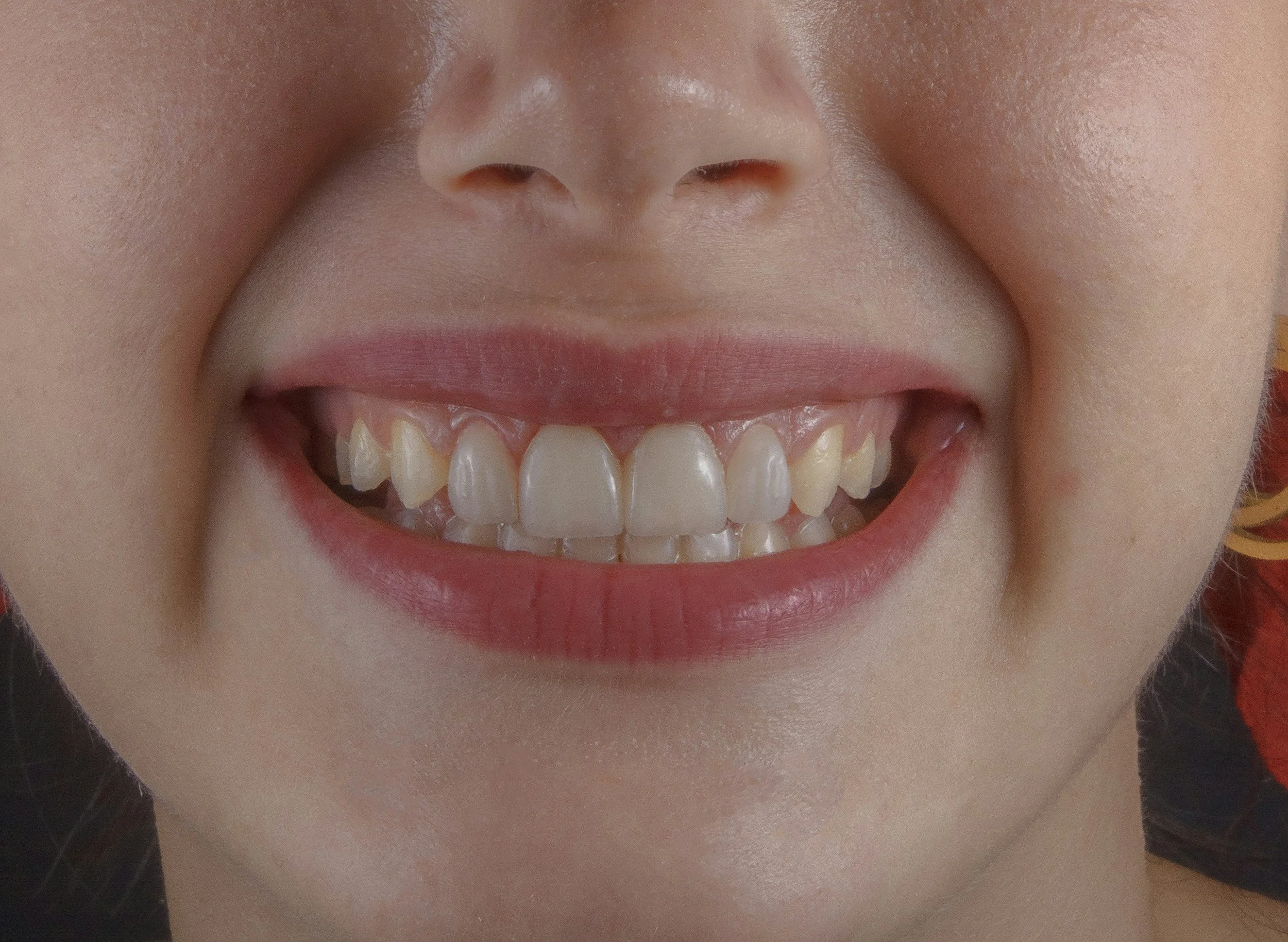
To effectively prevent tooth staining and maintain a naturally bright smile, limit chromogen-rich beverages like espresso and red wine, rinse with water immediately after consuming acidic meals, brush twice daily with fluoride toothpaste, floss each evening, and book professional dental cleanings twice a year. Adopting disciplined daily teeth care routines alongside routine clinical prophylaxis protects enamel against both superficial extrinsic discolorations and deeper intrinsic damage.
Key Takeaways
Extrinsic discoloration forms on outer enamel from tannins, pigments, and smoking, whereas intrinsic discoloration develops in the inner dentin from aging or medications.
Sipping dark and acidic beverages through a straw prevents chromogens from directly contacting anterior front teeth.
Wait 30 minutes after meals before brushing to avoid abrading acid-softened enamel.
Biannual dental cleanings eliminate hardened calculus and stubborn tobacco or coffee stains that home brushing cannot remove.
Scheduling routine appointments with Champion Dentistry provides personalized stain prevention strategies for long-term smile confidence.
Understanding Why Teeth Discolor: The Science Behind Tooth Staining
Sustained stain prevention requires an understanding of how tooth enamel interacts with pigments and acids. Dental discoloration is clinically classified into two primary categories: extrinsic staining and intrinsic staining.
Extrinsic Enamel Staining
Extrinsic stains develop on the external enamel surface when dark pigments known as chromogens and tannins—commonly found in morning coffee, dark teas, red wine, and tobacco smoke—bond to the dental pellicle. These superficial deposits respond readily to clinical scaling, prophy polishing, and targeted teeth whitening tips evaluated in clinical teeth whitening reviews.
Intrinsic Dentin Discoloration
Intrinsic staining originates beneath the enamel layer inside the dentin matrix. This deep discoloration can result from childhood exposure to tetracycline antibiotics, excessive fluoride ingestion, dental pulp trauma, genetic tooth thinning, or natural chronological aging. Because intrinsic pigments reside deep within the tooth structure, overcoming them typically involves supervised chemical bleaching or cosmetic bonding as outlined in clinical tooth bleaching science.
Daily Teeth Care and Oral Hygiene Tips for Long-Term Stain Prevention
Dental plaque functions like an absorbent sponge, trapping chromogens from your favorite foods and hardening into dark tartar within 48 hours. Implementing structured oral hygiene tips supported by the American Dental Association ensures everyday plaque removal and preserves tooth brightness.
Essential Daily Teeth Care Habits
Brush for two full minutes twice daily using a soft-bristled toothbrush and an accepted fluoride toothpaste to lift surface deposits without eroding delicate enamel.
Floss daily between contact points to prevent dark tartar bands from developing in interdental gaps.
Rinse with an alcohol-free antibacterial oral rinse to reduce bacterial colonies without causing tissue irritation or dryness.
Clean the tongue daily with a dedicated scraper to eliminate sulfur-producing bacteria and residual food dyes.
Dietary Guidelines: Foods That Protect Your Bright Smile vs. Foods That Cause Discoloration
Every food and beverage you consume shifts the pH balance and porosity of your oral environment. Acidic foods temporarily weaken the enamel surface, making it substantially easier for pigments to penetrate and cause stubborn discoloration.
Common Foods and Beverages That Cause Staining
Dark roast coffee, espresso, and black teas that deposit concentrated tannins directly on tooth surfaces
Red and white wines; white wine demineralizes enamel with high acidity, while red wine deposits rich polyphenols
Deeply pigmented fruits including blueberries, blackberries, pomegranates, and dark cherries
Colas and sports beverages laden with citric acid, phosphoric acid, and artificial colorings
Dark culinary condiments such as balsamic vinegar, soy sauce, and tomato marinara sauces
Natural Smile-Protecting Foods That Support Stain Prevention
Crunchy vegetables like celery, crisp carrots, and bell peppers that physically scrub surfaces and stimulate natural saliva production
Fresh apples and firm pears that contain natural malic acid to support superficial enamel freshness
Dairy staples including aged cheddar, plain Greek yogurt, and milk that supply calcium and phosphate to remineralize enamel
Fluoridated tap water that rinses away lingering chromogens and neutralizes oral acidity after dining
Actionable Lifestyle Strategies to Prevent Tooth Staining Throughout the Day
Protecting your teeth during busy workdays requires simple, practical routines that interrupt the staining cycle before pigments bond to enamel.
Sip iced coffee, cold brew, and fruit smoothies through a reusable straw to direct liquids past anterior teeth and reduce front-surface contact.
Always rinse your mouth with plain water after eating acidic citrus fruits or drinking wine, and wait 30 minutes before brushing so you do not scour softened enamel.
Keep a bottle of water on your desk to hydrate continuously, supporting steady saliva production that naturally buffers harmful acids.
Review verified dental advice on MouthHealthy by the ADA to avoid lifestyle habits that wear down enamel.
Comparing In-Office Treatments and At-Home Teeth Whitening Tips
When standard brushing no longer lifts embedded discoloration, choosing between clinical treatment and over-the-counter products determines both your aesthetic results and your enamel safety.
| Whitening Method | Primary Mechanism | Treatment Duration | Stain Target | Clinical Safety |
|---|---|---|---|---|
| Professional In-Office Bleaching | High-potency hydrogen peroxide (25-40%) applied with gingival barrier isolation | 60 to 90 minutes (1 visit) | Severe extrinsic stains & deep intrinsic discoloration | Highest safety; professionally supervised with active gum protection |
| Custom Take-Home Trays | Custom laboratory-molded trays with carbamide peroxide gel (10-22%) | 10 to 14 consecutive days | Moderate extrinsic stains & mild intrinsic yellowing | High safety; periodically monitored by dental team |
| Over-the-Counter Whitening Strips | Low-dose hydrogen peroxide strips (6-14%) applied to anterior teeth | 14 to 30 days | Mild superficial extrinsic surface stains | Moderate; potential risk of uneven borders and gum irritation |
| Whitening Toothpastes | Mild polishing silica abrasives and surface-clearing enzymes | Daily continuous use | New surface pigment deposits only | Safe when relative dentin abrasivity (RDA) index is below 250 |
| Biannual Professional Cleanings | Ultrasonic scaling, hand instrumentation, and fine prophy paste polishing | 45 to 60 minutes every 6 months | Calcified tartar, tobacco residue, and dark beverage stains | Essential preventive procedure; preserves gum and periodontal health |
Global and Regional Dental Health Analysis: How Drinking Habits Impact Tooth Color
United States: High per capita intake of drip coffee, iced cold brews, and sodas makes extrinsic discoloration a primary cosmetic concern, prompting millions to invest in professional whitening annually.
United Kingdom & Ireland: Regular consumption of strongly brewed black teas rich in theaflavins causes stubborn brown pellicle staining that necessitates frequent ultrasonic dental cleanings.
Continental Europe: Daily espresso, robust red wines, and balsamic dressings create recurring staining challenges, often balanced by diets high in protective cheeses and fresh greens.
Asia-Pacific: Traditional green tea and fermented sauces introduce unique organic pigments; while green tea catechins provide proven antibacterial advantages, they still deposit subtle surface tannins over time.
Community Spotlight: Philadelphia and the Value of Neighborhood Dental Care
Philadelphia, Pennsylvania is celebrated for its historic neighborhoods, rich architectural character, and thriving residential communities spanning Center City, Old City, South Philadelphia, Chestnut Hill, and Fishtown. Philadelphia's seasonal climate—characterized by humid summer days and freezing winter conditions—often prompts homeowners to reach for warming coffee blends, regional teas, and hearty culinary traditions throughout the year.
For homeowners and busy professionals across the Delaware Valley, community-based healthcare providers are essential to daily wellness. Champion Dentistry delivers comprehensive preventive cleanings, cosmetic evaluations, and dedicated preventive dental care in Philadelphia designed around local schedules, ensuring Philadelphia residents can protect healthy, radiant smiles in every season.
Frequently Asked Questions
-
To minimize discoloration from your morning brew, sip your beverage through a straw, add a splash of milk to bind tannins, rinse with water immediately afterward, and wait at least 30 minutes before brushing with fluoride toothpaste. Scheduling periodic checkups at Champion Dentistry removes stubborn beverage tannins that home brushing cannot lift, aligning with American Dental Association standards.
-
Brushing for two minutes twice daily with a soft toothbrush, flossing every night, cleaning the tongue, and using an alcohol-free mouthwash represent the most reliable daily habits to prevent plaque from absorbing food dyes and hardening into dark calculus.
-
Yes. Swishing and swallowing water directly after dining flushes away acidic food debris and chromogens, helps restore neutral oral pH, and stimulates saliva flow to safeguard enamel against pigment bonding.
-
Professional whitening under clinical supervision is significantly safer and more predictable than drugstore strips. Clinical whitening uses custom-tailored trays and protective gum barriers, whereas unsupervised kits often cause severe tooth sensitivity and uneven color. Explore causes of tooth discoloration and whitening solutions or book an aesthetic consultation with Champion Dentistry to explore safe options.
-
As natural aging occurs, outer enamel gradually wears thinner, allowing the naturally yellow dentin underneath to show through. Microscopic enamel pores and genetic mineral density also influence your baseline smile shade regardless of meticulous hygiene.
-
Fibrous, water-packed vegetables such as celery, carrots, and broccoli stimulate saliva production and gently polish tooth surfaces during chewing. Saliva contains bioavailable minerals like calcium and phosphate that help rebuild microscopic enamel defects.
-
You should wait 30 to 45 minutes before brushing after acidic beverages like lemonade, sports drinks, wine, or citrus juices. Acid temporarily demineralizes the outer enamel layer; brushing immediately abrades the softened structure and accelerates discoloration.
-
Activated charcoal pastes rely on coarse abrasiveness that can scrub off superficial films, but they frequently create microscopic surface scratches that make enamel rougher and more prone to rapid staining in the future. Clinical findings published on PubMed Central studies on dentin abrasivity caution against high-abrasivity toothpastes for everyday stain removal.
-
Most patients maintain healthy enamel by booking a professional hygiene prophylaxis every six months. Patients prone to rapid plaque accumulation benefit from specialized cleanings and periodontal care services every three to four months. Schedule your visit with Champion Dentistry.
-
Extrinsic stains develop on the external enamel surface from dark food, red wine, and smoking, responding well to ultrasonic scaling and whitening pastes. Intrinsic stains reside deep in the internal dentin from aging, trauma, or childhood medications, requiring clinical bleaching or porcelain restorations as described in tooth bleaching clinical overviews.
-
Yes. Using a reusable straw directs dark liquids past the front incisors and canines directly toward the posterior palate, substantially reducing contact with your most visible smile surfaces.
-
Yes. Dental hygienists use ultrasonic scalers and fine prophy polishing pastes that effectively lift deeply embedded tobacco tar. Reviewing the overall health benefits of dental cleanings explains how professional prophylaxis restores natural enamel cleanliness.
-
Philadelphia's municipal water supply contains optimized fluoride levels that constantly remineralize tooth enamel and increase crystalline resistance to dietary acids. Dense, well-mineralized enamel resists staining and plaque adherence. For answers to common patient questions, visit the Champion Dentistry patient FAQ or schedule a visit directly with Champion Dentistry.