How Do Dental Cleanings Help Spot Problems Before They Get Serious?
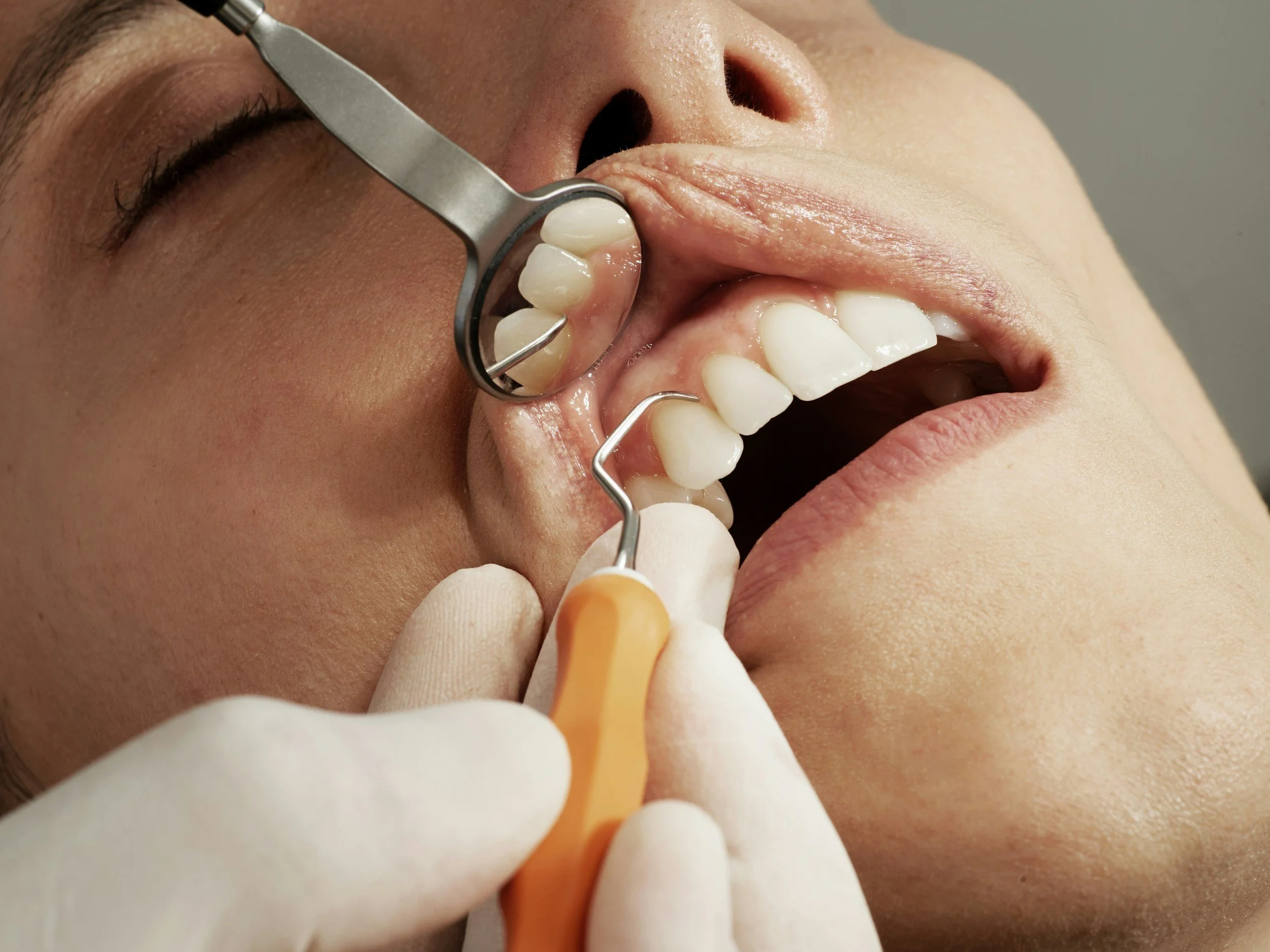
Regular dental cleanings help dentists spot oral health problems before they become painful or expensive to treat. By removing plaque and hardened tartar, the dental team can clearly examine the teeth, gums, existing fillings, and surrounding tissues for early signs of cavities, gum disease, infection, enamel damage, and other concerns.
Key Takeaways
Dental cleanings remove plaque and tartar that brushing cannot eliminate.
Teeth checkups help detect hidden cavities and gum disease.
Early detection may reduce the need for complex dental treatment.
Oral health screenings can identify unusual tissue changes.
Regular preventive visits support long-term oral disease prevention.
How Dental Cleanings Support Early Detection
Professional dental cleanings do more than improve the appearance of your smile, because they create an opportunity for the dentist and hygienist to examine areas that may be difficult to monitor at home.
When plaque and tartar are removed, the dental team can more easily identify enamel changes, bleeding gums, gum recession, loose fillings, cracked teeth, and other warning signs that may require attention.
Champion Dentistry provides dental maintenance and preventive care for patients who want to protect their teeth and detect possible concerns early.
Dental Cleaning vs. Dental Checkup
| Dental Cleaning | Dental Checkup |
|---|---|
| Removes plaque and tartar | Examines teeth, gums, and oral tissues |
| Helps reduce gum inflammation | Detects cavities and structural damage |
| Polishes surface stains | Reviews fillings, crowns, and restorations |
| Supports oral disease prevention | May include X-rays and health screening |
A dental cleaning focuses on removing harmful buildup, while a teeth checkup focuses on spotting dental problems and determining whether additional treatment or diagnostic imaging is needed.
Dental Problems That May Be Found During Teeth Checkups
Early Cavities
Cavities often begin without noticeable pain, especially when decay develops between teeth or beneath an existing filling. During a dental examination, the dentist may notice discoloration, weakened enamel, small surface openings, or changes that require further evaluation.
Digital X-rays may also be recommended to detect decay that cannot be seen during a visual examination. Learn more about Champion Dentistry’s dental technology.
Gum Disease
Bleeding, redness, swelling, bad breath, gum recession, and deeper gum pockets can be early signs of periodontal disease. Routine dental cleanings help remove tartar from around the gumline, while periodontal screening helps determine whether additional care is necessary.
Patients experiencing ongoing gum problems can explore periodontal care at Champion Dentistry.
Cracked Teeth and Worn Enamel
Small cracks, worn enamel, loose crowns, and damaged fillings may not cause immediate discomfort, although they can weaken the tooth and create spaces where bacteria collect.
Spotting these problems early may allow the dentist to protect the tooth before more extensive damage occurs.
Dental Infections
A developing dental infection may cause mild sensitivity, gum tenderness, discoloration, or swelling before severe pain begins. Routine teeth checkups can help identify suspicious changes and determine whether urgent treatment is required.
Oral Tissue Changes
Dental appointments may also include an examination of the tongue, cheeks, gums, lips, throat, and other oral tissues. Any persistent sore, unusual patch, lump, or color change may require monitoring or referral for further evaluation.
The World Health Organization explains that many common oral diseases are preventable and easier to manage when identified early.
Why Early Detection Matters
Early detection can make dental treatment simpler, more comfortable, and less costly because small cavities, mild gum inflammation, and damaged restorations are generally easier to manage before they affect deeper tooth structures or supporting bone.
Regular dental cleanings also give the dental team an opportunity to compare changes over time, review home-care habits, and recommend personalized preventive steps based on each patient’s oral health risks.
Dental Cleanings and Oral Health in Philadelphia
Philadelphia is known for its historic neighborhoods, diverse communities, major universities, cultural landmarks, and strong network of locally owned businesses. From West Philadelphia and University City to Center City and surrounding residential areas, each part of the city has its own character and community needs. Busy professionals, families, students, and older residents all benefit from having reliable healthcare services close to home. Small businesses such as Champion Dentistry support Philadelphia residents by providing accessible, personalized dental cleanings, teeth checkups, preventive care, and treatment recommendations while building long-term relationships with the people and families they serve.
How Often Should You Schedule Dental Cleanings?
Many patients benefit from dental cleanings approximately every six months, although the right schedule depends on gum health, cavity risk, medical conditions, smoking history, previous dental treatment, and home-care habits.
Patients with periodontal disease or a higher risk of dental problems may need more frequent appointments based on their dentist’s recommendations.
When Should You Contact a Dentist Immediately?
Do not wait for a routine cleaning appointment if you experience:
Severe or persistent tooth pain
Facial or gum swelling
A broken or knocked-out tooth
Uncontrolled oral bleeding
Fever with dental pain
Difficulty swallowing or breathing
A mouth sore that does not heal
Schedule a Dental Cleaning in Philadelphia
Routine dental cleanings and teeth checkups can help protect your smile by identifying concerns before they become serious. Champion Dentistry provides preventive dental services designed to support healthier teeth, gums, and long-term oral wellness.
Visit Champion Dentistry to learn more or schedule an appointment.
Frequently Asked Questions About Dental Cleanings
-
Dental cleanings remove plaque and tartar, making it easier for the dental team to examine the teeth, gums, and existing restorations for early signs of disease or damage.
-
The cleaning itself does not diagnose cavities, but the teeth checkup completed during the same visit may reveal visible decay or signs that diagnostic X-rays are needed.
-
Professional cleanings help reduce plaque and tartar around the gumline, which supports gum health and lowers the risk of inflammation and periodontal disease.
-
A dental checkup may identify cavities, gum disease, cracked teeth, damaged fillings, infections, enamel wear, bite problems, and unusual oral tissue changes.
-
Many adults schedule dental cleanings every six months, although patients with gum disease or higher oral health risks may require more frequent visits.
-
Yes. Brushing and flossing are essential, but they cannot always remove hardened tartar that forms around the teeth and gumline.
-
Yes. Dentists and hygienists can identify bleeding, inflammation, recession, deeper gum pockets, and bone changes before patients notice serious symptoms.
-
Many routine dental examinations include an oral health screening in which the dentist checks for unusual sores, patches, lumps, swelling, or tissue changes.
-
Dental X-rays may reveal cavities between teeth, bone loss, infections, impacted teeth, and other problems that are not visible during a normal examination.
-
Early detection may allow dental concerns to be treated before they cause severe pain, tooth loss, infection, or the need for more complex procedures.
-
Yes. Professional cleaning removes plaque, tartar, and bacteria that may contribute to persistent bad breath, although other causes may require additional evaluation.
-
Champion Dentistry provides professional dental cleanings and teeth checkups for patients in Philadelphia and nearby communities.
-
Patients can visit the Champion Dentistry website to review available services and request an appointment for preventive care, dental cleaning, or oral health screening.